


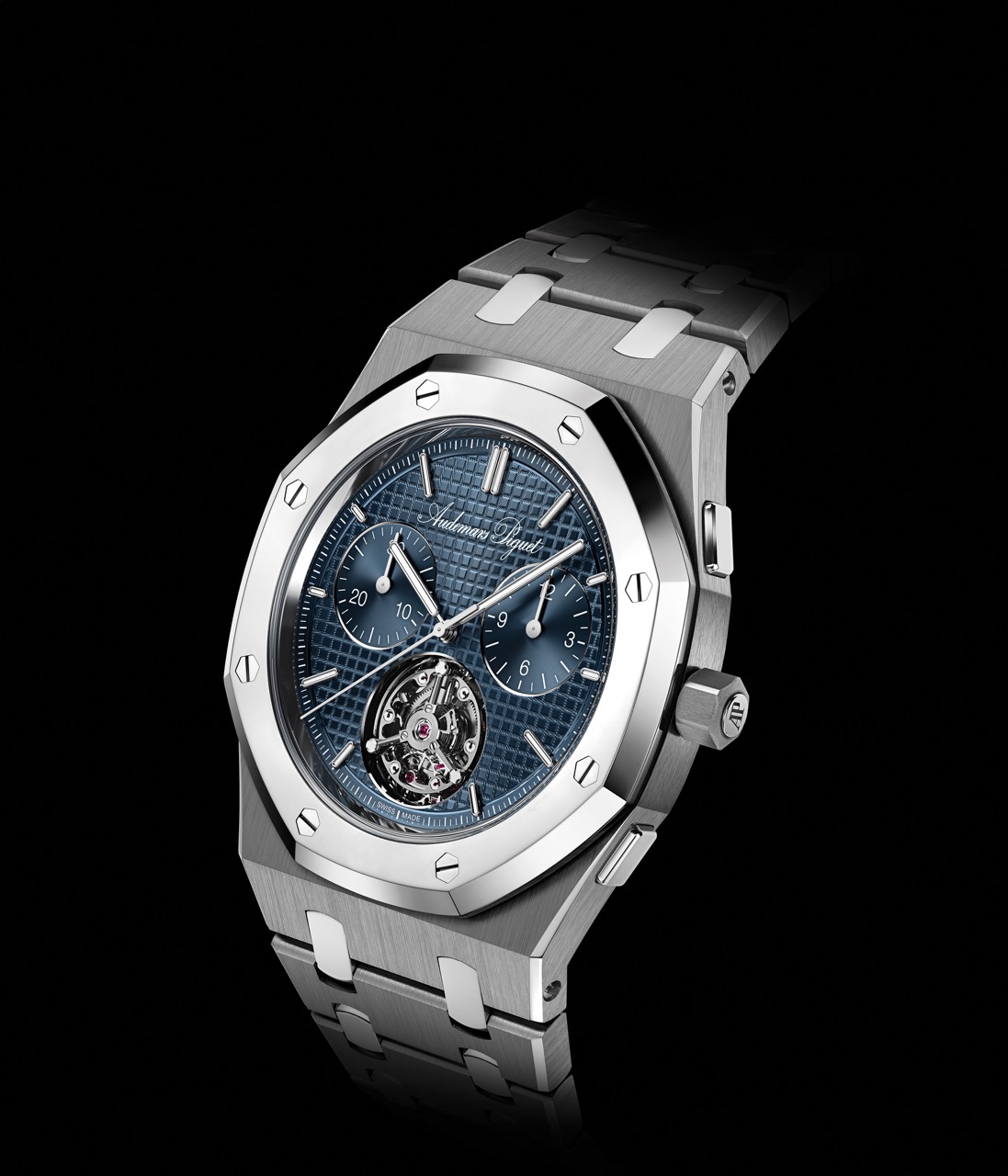
Say the phrases Audemars Piguet, and the Royal Oak immediately involves thoughts. Certainly, the Royal Oak assortment has turn out to be so synonymous with the model, that when Audemars Piguet launched the Code 11.59 by Audemars Piguet again in 2019, it sparked a wave of shock – even resistance – throughout the watch neighborhood.
Maybe it was the preliminary shock of not seeing a brand new Royal Oak from Audemars Piguet, or the truth that the Code 11.59 by Audemars Piguet is so decidedly totally different from the Royal Oak that it led to a way of disconnect.
Nonetheless, by way of analysis for this text, I’ve discovered that whereas the aesthetics of the 2 collections are distinctly totally different, the method to their creation is remarkably aligned. Beneath this veneer of Royal Oak or Code 11.59 by Audemars Piguet lies a core philosophy that I feel has allowed Audemars Piguet to outlive and thrive for so long as it has. The guts and soul of the model lies in its issues. Lengthy earlier than the Royal Oak, Audemars Piguet was recognized for its pioneering spirit, an organization constructed with tenacity and resilience, and an unwavering pursuit for excellence.
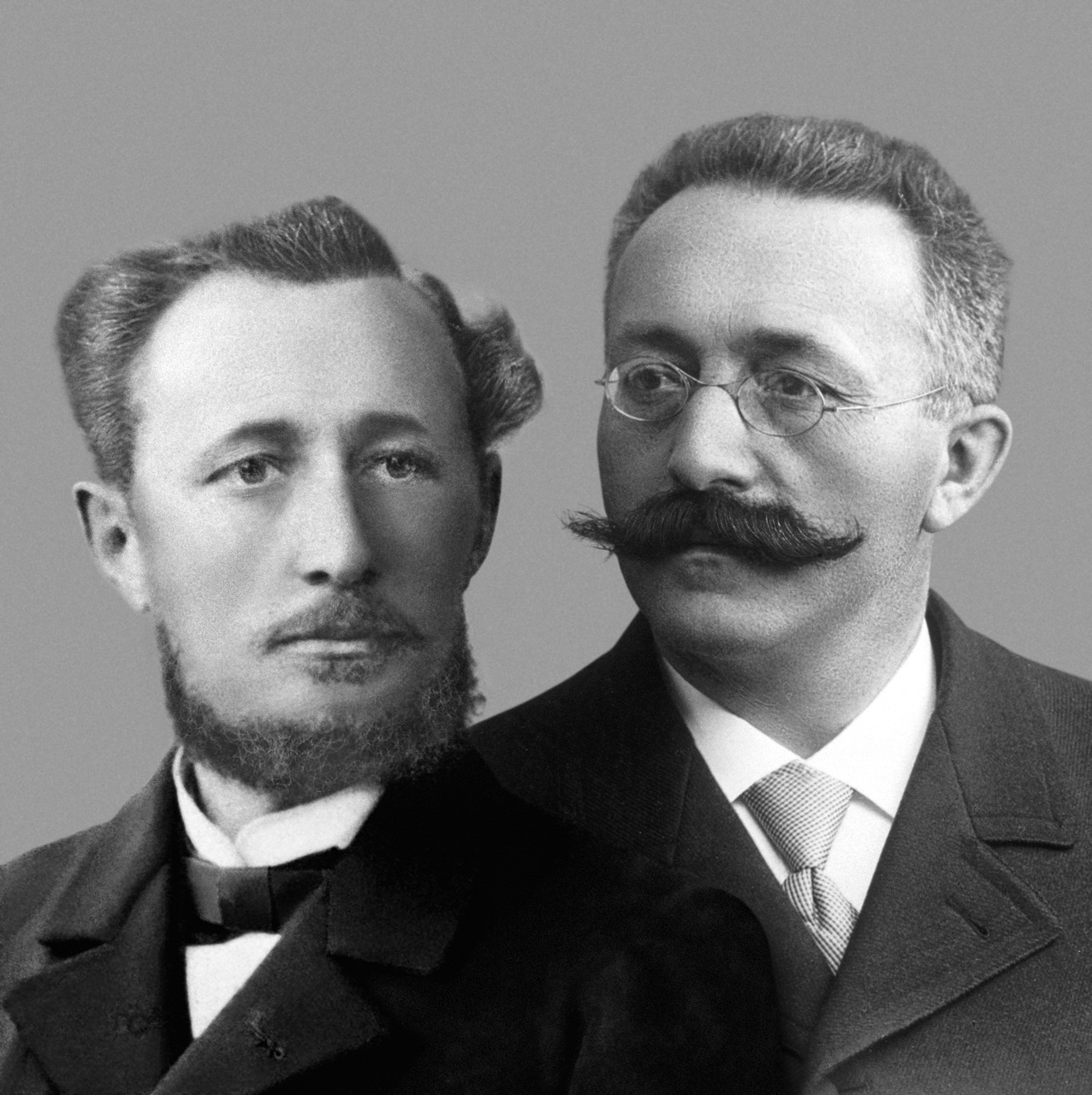
This 12 months, Audemars Piguet celebrates its one hundred and fiftieth anniversary, and to mark this momentous event, the model has been releasing a sequence of remarkable timepieces all year long, from essentially the most user-friendly perpetual calendar calibre to the introduction of a smaller 38mm perpetual calendar, and even flying tourbillons adorned with pure stone dials.
Amongst these celebratory creations, there may be one which, to me, symbolises the epitome of what the model stands for. In its everlasting quest for watchmaking innovation, it unveils the Royal Oak “Jumbo” Further-Skinny Self-winding Flying Tourbillon Chronograph RD#5.
This newest addition to the RD sequence takes one of many oldest watchmaking issues, the chronograph, and appears at it by way of a distinctly futuristic lens. The result’s an sudden replace of a basic perform. At first the innovation might not be instantly obvious, however the technical ingenuity behind it’s good.
The Story Thus Far
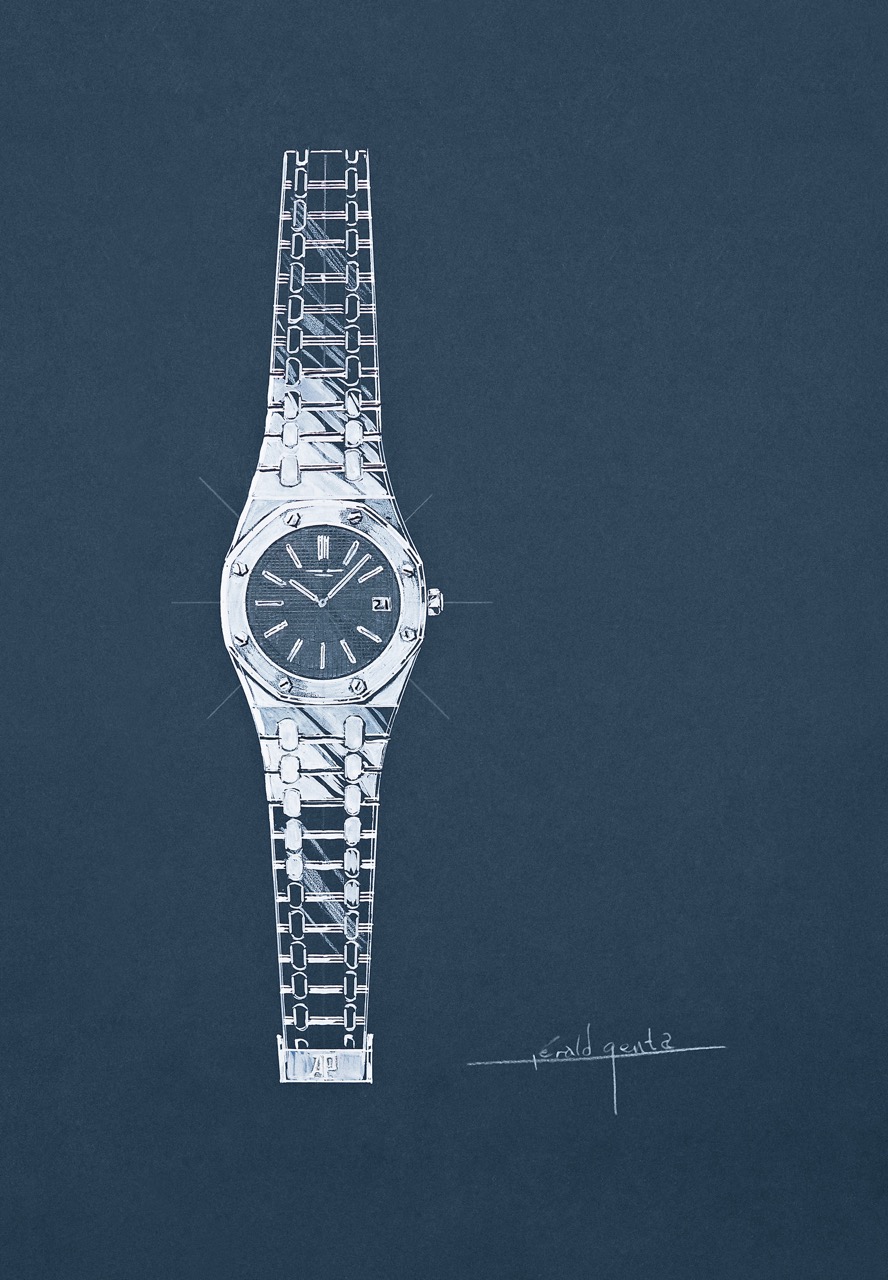
To know how Audemars Piguet arrived on the RD#5, one should first look again. Now, on the one hundred and fiftieth anniversary of Audemars Piguet, we rewind the clock all the best way again to the origins of the model to grasp how the founders integrated the pioneering spirit into their eponymous model, and the way that founding philosophy has endured over a century and a half. Within the nineteenth century, it was frequent for Swiss watchmakers to construct a model with a associate who was extra well-versed within the business realm of issues.
In 1875, Jules Louis Audemars began his watchmaking workshop in Le Brassus, and by 1881, he had partnered together with his childhood good friend and neighbour Edward Auguste Piguet, and the model Audemars Piguet was formalised and registered.
“Audemars Piguet’s one hundred and fiftieth anniversary celebrations are devoted to all the skills who have labored for the corporate since its beginnings. We’re all a hyperlink within the chain. Our mission, collectively, is that the model endures for future generations and continues to be going robust in 150 years”
– Jasmine Audemars, President of the Audemars Piguet Foundations
The corporate was established in tumultuous occasions. There was robust competitors from American watchmakers, and Swiss watchmakers have been beginning to industrialise their processes in response.
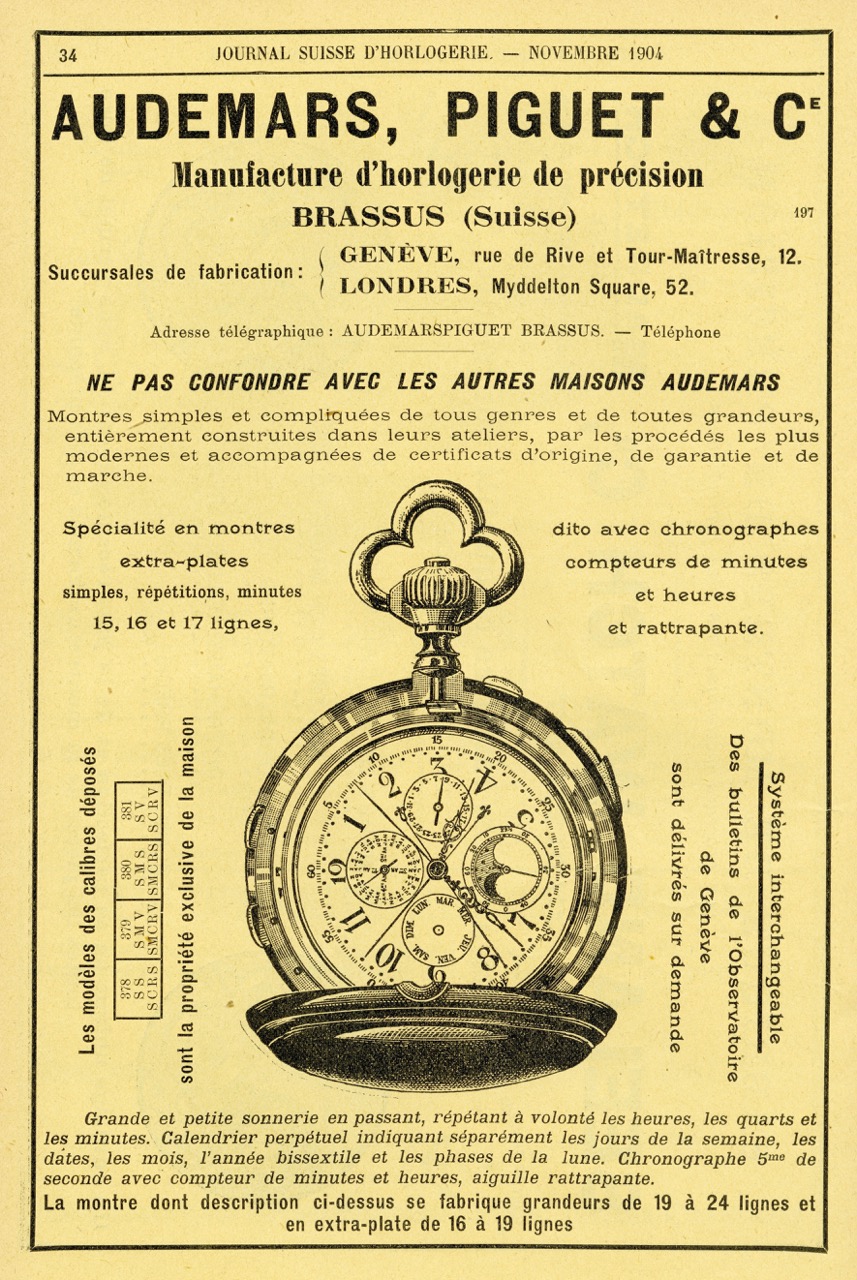
As an alternative of following the pattern, the 2 founders determined that they’d as a substitute concentrate on making one-off, difficult timepieces. Of the 52 watches they offered in 1882, 49 of them had issues. By 1899, a lot of the world’s difficult calibres have been made in manufactures within the Vallée de Joux, and Audemars Piguet was at its coronary heart.
In truth, it was round this time that they made the Universelle pocket watch delivered to Union Glashütte, which stays one of the difficult watches on the planet with 1,168 parts and introduced 26 features, together with 19 issues.

The trail to greatness isn’t easy – and Audemars Piguet’s journey in no exception. The First World Conflict broke out in 1914, which noticed Audemars Piguet lose half its workforce to navy service. And even because the founders handed on the reins to their successors and the subsequent technology of Audemars and Piguet took to working the model, they have been adopted by hardships each step of the best way.
In 1929 the inventory market crash, which noticed the Manufacture working at a loss for the subsequent 15 years, and from 1939 to 1945, the Second World Conflict as soon as once more introduced manufacturing to a close to standstill.
Every disaster noticed a pointy decline in watch gross sales. To take advantage of every watchmaker’s accessible time, the manufacture tasked their watchmakers to develop guide watchmaking abilities in anticipation of higher days, a choice that continues to be the driving drive behind Audemars Piguet’s watchmaking innovation.
It was solely after the Second World Conflict that Audemars Piguet skilled a brand new period of development. Within the fingers of the second and third generations of members of the family, the corporate’s manufacturing grew tenfold within the span of 20 years, producing 5,500 watches per 12 months, and by 1971, it had an annual income of 10 million Swiss francs. It was most likely this degree of success that prompted them to make the now world-renowned “costliest metal watch on the planet” – the Royal Oak.
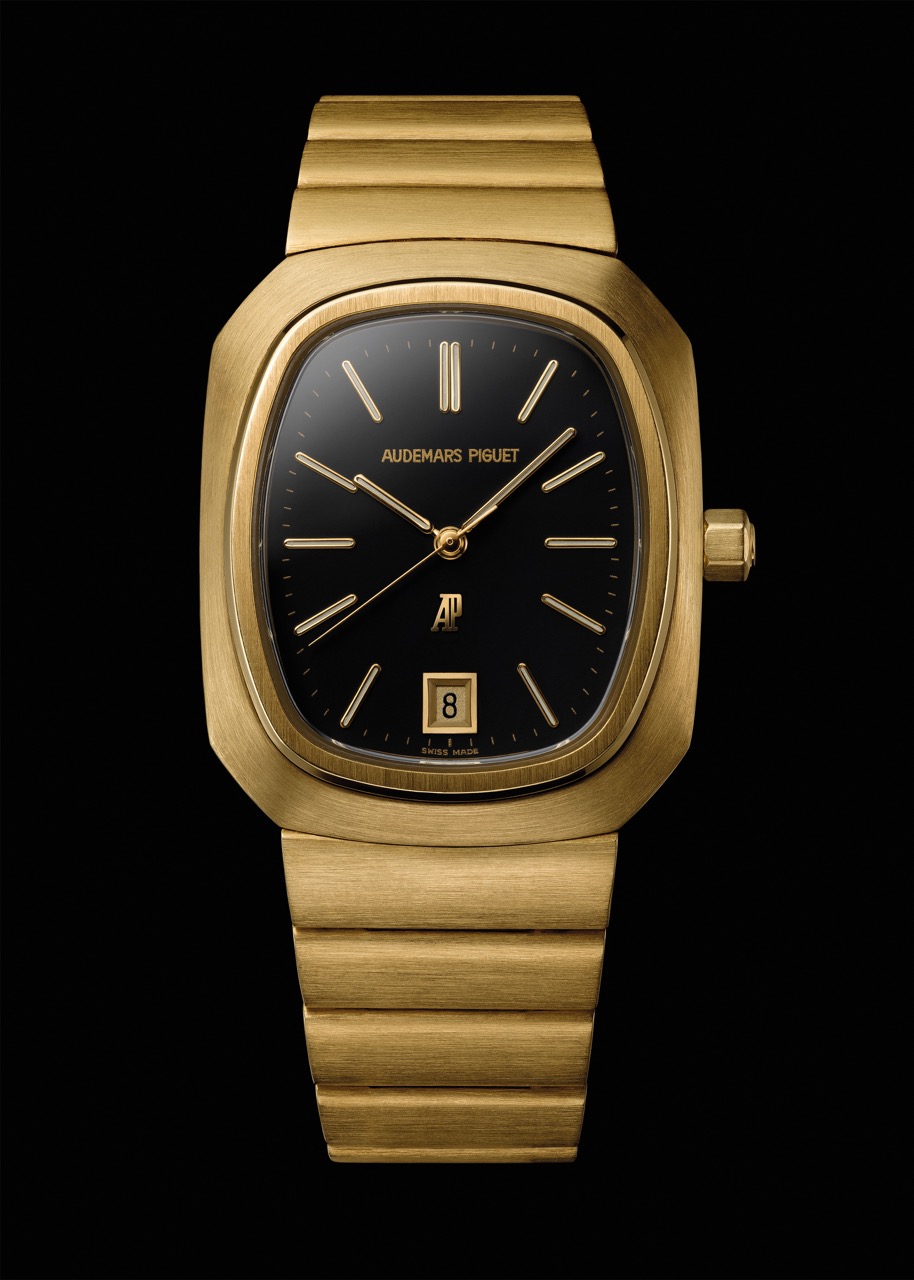
The Royal Oak was a results of one more turning level in Audemars Piguet historical past the place in 1966 the legendary Georges Golay was appointed the Managing Director of the model, and the primary who did not come from the founding households. It was Golay who recognised the worth of proficient designers like Gérald Genta, and his in a single day creation of the Royal Oak 5402 has turn out to be lore for the model.
Even with the success of the Royal Oak, Audemars Piguet has consistently pursued watchmaking innovation. When the quartz period got here alongside, the Manufacture responded with its personal high-tech creation – reference 6001, powered by the “megaqwartz” Calibre 2510, in 1974.
Within the Nineteen Nineties, below the route of Steve Urquhart and Georges-Henri Meylan, Audemars Piguet contributed to the revival of mechanical watches with issues similar to tourbillons, chiming mechanisms, chronographs, and Grand Issues. Within the final 25 years, it has built-in its manufacturing capabilities and expanded them to what the model is right this moment.
Microcosm of Creativity

The trajectory of how Audemars Piguet grew as an organization is undoubtedly inspiring, however maybe much more vital is how the model has managed to protect the pioneering spirit instilled by its founders. In an attention-grabbing interview that the present CEO of Audemars Piguet, Ilaria Resta, gave to Revolution’s Wei Koh earlier within the 12 months, she stated the entry level into Audemars Piguet isn’t by way of iconic designs, however by way of issues, which is uncommon on the planet of haute horlogerie.
It form of is smart contemplating that issues have been the focus when Jules Louis Audemars and Edward Auguste Piguet began the model in 1881, however to maintain issues as the guts and soul of a model over 150 years, now that’s no simple feat.
“This firm’s philosophy is to depart no stone unturned and pursue all doable enhancements primarily based on analysis and observe”
– Le Journal Suisse d’Horlogerie, circa 1889
In line with Resta, this pioneering spirit can’t be compelled. And it’s true; there isn’t any components to construct a staff that’s immediately artistic and may robotically and constantly push the boundaries of watchmaking. Particularly when you think about that a lot of the ideas of mechanical watchmaking used right this moment haven’t been modified within the final century or so. This takes out-of-the-box considering, a daring to try to fail, and above all, the monetary may to maintain these sorts of analysis and growth initiatives.
This exists throughout the infrastructure of Audemars Piguet. The Manufacture has departments devoted to experimentation, on supplies, calibres and ending strategies, which translate not solely to novelties throughout the model’s collections but additionally assist perpetuate watchmaking as a complete.

In that very same interview, Resta described the model’s artistic philosophy as a “playground” for innovation. Boundaries are outlined by core model values, however inside, there may be ample room for the thinkers and makers to manoeuvre. Additionally, management doesn’t place deadlines on their creations, which might generally be antithesis to the artistic course of.
A lot of this freedom is made doable by the model’s independence. They’re the one watchmaking firm at this degree that’s nonetheless within the fingers of its founding households. It’s astonishing how, after 150 years and the great development the corporate has undergone, the illustration of the founding households continues to be consulted on the longer term route of the model.
And though since 1966 Audemars Piguet has been led by non-family members, Jasmine Audemars, great-granddaughter of Jules Louis Audemars, and Olivier Audemars, great-grandson of Edward Auguste Piguet, nonetheless characterize the pursuits of each the Audemars and Piguet households.
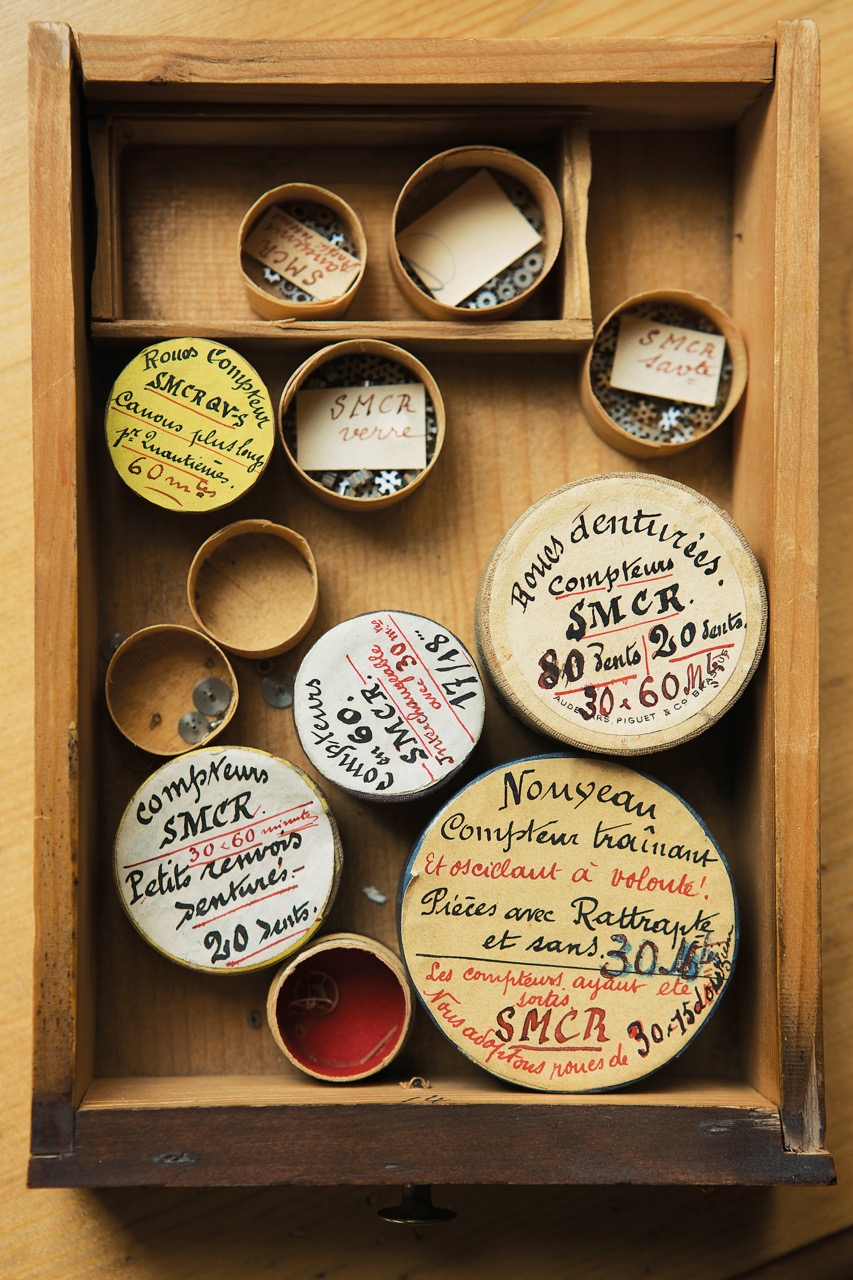
The results of this ecosystem of innovation that Audemars Piguet has cultivated is a artistic atmosphere the place designers and engineers are empowered to develop issues that problem the conventions of watchmaking. Nowhere is that this extra obvious than Audemars Piguet’s RD (Analysis and Growth) saga of watches.
The RD sequence is the model’s platform to showcase its groundbreaking developments in watchmaking. Every creation introduces a breakthrough in engineering or efficiency – fixing longstanding horological challenges by way of innovation. It’s a testomony to the model’s dedication to pushing the boundaries of what’s doable, not just for the model itself, however for the development of the craft as a complete.
The RD#1 (2015) ‘Supersonnerie’ dramatically improved the sound high quality of minute repeaters, setting new acoustic requirements for chiming watches. The RD#2 (2018) broke watchmaking data with the world’s thinnest self-winding perpetual calendar, at simply 2.89mm thick. The RD#3 (2022) was the primary “Jumbo” to be geared up with a self-winding flying tourbillon powered by the ultra-thin Calibre 2968 (first launched in 39mm, then in 37mm) and geared up with an modern high-amplitude escapement.
Subsequent, got here the RD#4 (2023) Code 11.59 by Audemars Piguet Extremely-Complication Universelle. The reference is the Universelle pocket watch, which we talked about earlier on this story, and the AP Calibre 1000 for the RD#4 integrated 40 features, together with 23 issues and but was nonetheless designed to be simple to make use of and comfy to put on.
The Crux Of The Matter

Which brings us to the present chapter within the RD saga, RD#5. For the collectors, this new launch from Audemars Piguet encompasses a brand-new motion, Calibre 8100. It’s the first time within the Royal Oak “Jumbo”’s 50-year historical past that it’s geared up with each a flyback chronograph (with an on the spot minute leap) and a flying tourbillon, and the watch is proscribed to solely 150 items worldwide. For the true watch connoisseurs, nevertheless, the actual gem within the RD#5 lies within the chronograph complication, which has been completely redesigned by Director of Watch Conception at Audemars Piguet, Giulio Papi, and his staff.
“In 1875, the primary Audemars Piguet workshop opened with the purpose of crafting one-off mechanical timepieces – defying mass industrialisation. For 150 years, watchmakers have responded to every crises with resilience, by no means wavering from their strongest convictions: independence, household, the search for perfection, the Vallée de Joux, artistic freedom, and openness to the world”
– Sébastian Vivas, Heritage and Museum Director, Audemars Piguet
Let’s begin then with the push-pieces. A typical pusher on a chronograph normally requires a major quantity of strain to have interaction, and its subsequent click on might not be the smoothest or most pleasant expertise when in comparison with the finesse of every little thing else in a well-finished haute-horlogerie timepiece.
As Papi explains, “Their journey – that’s, the space they should be pressed – is usually 1mm or extra and requires a drive of round 1.5 kilograms. Our purpose was to cut back these values to reinforce the consumer expertise, drawing inspiration from smartphone buttons which generally have a journey of 0.3mm and require 300 grams of drive.” That is precisely why, whenever you take a look at the pictures of the watch, you see glossy buttons as a substitute of the standard pushers discovered on the model’s chronographs.
The ingenious answer to allow this short-travel, low-force push-pieces comes by way of a brand new patented mechanism which replaces the standard coronary heart piece and hammer with a rack and pinion system. This intelligent system within the Calibre 8100 shops the power within the rack, which retains the gear practice below rigidity, stopping the chronograph fingers from shuddering. And this then eliminates the necessity for a friction spring.
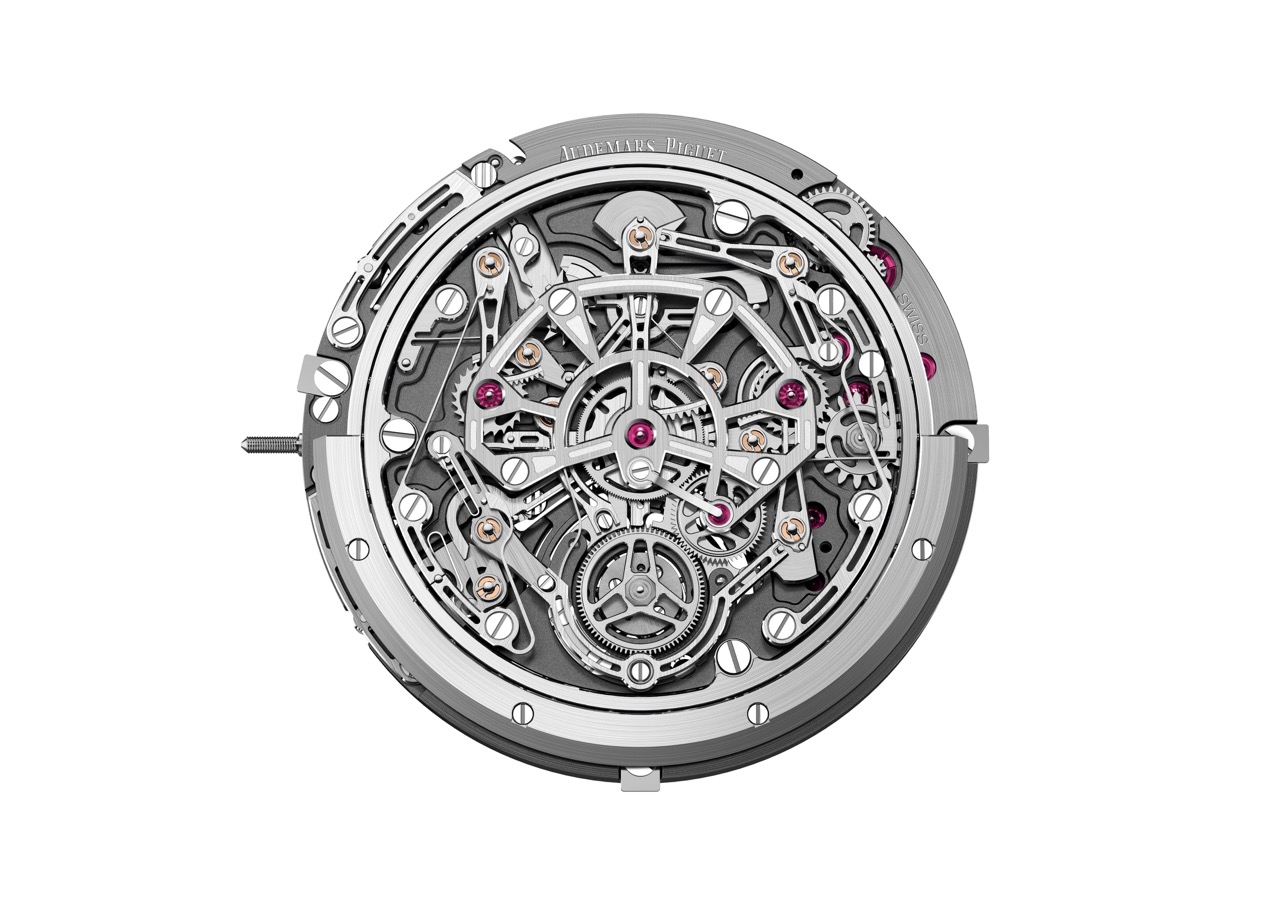
The friction spring in standard chronographs acts as a continuing brake throughout operation and resetting of the chronograph, and with the rack, the power is saved fairly than dispersed, so with a lightweight contact of the pushers, this power could be re used to carry out the mandatory chronograph features.
“Consider the standard chronograph as a automobile driving with the handbrake on. With Calibre 8100, the handbrake is gone, and the automobile is now tied to an elastic band when it leaves the storage. This elastic band will then be used to carry it again to the storage. The power that was misplaced due to the friction of the handbrake is now saved throughout the elastic,” says Giulio Papi.
“When resetting the chronograph, the saved power is launched, and the hand returns to its place in lower than 0.15 seconds. A substantial amount of work has been carried out to grasp the behaviour of the fingers in order that the reset is sort of imperceptible to the attention, whereas delivering an instantaneous minute leap – a extremely coveted function by collectors.”
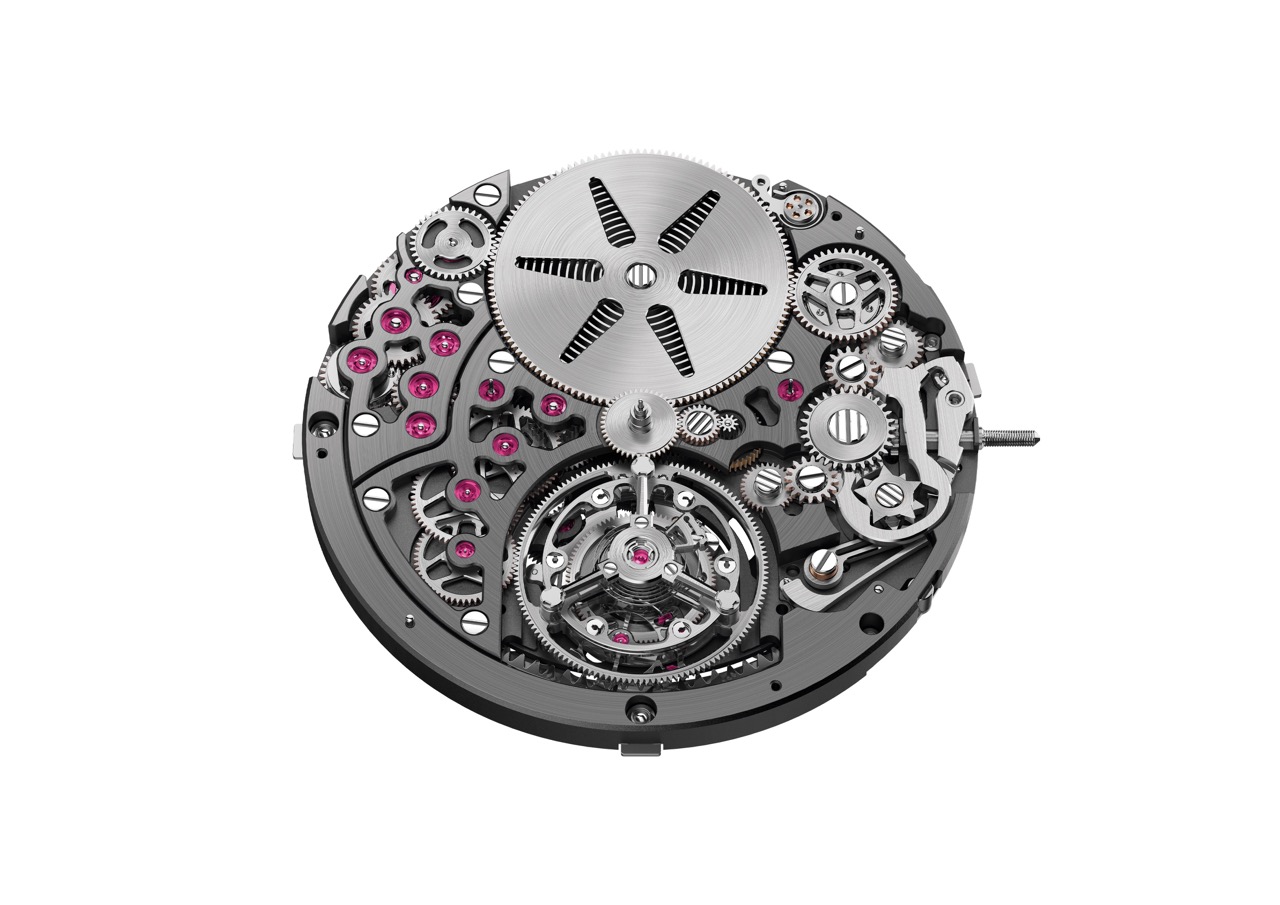
One of many causes that the Jumbo has by no means had a chronograph and a flying tourbillon mixture was the problem of protecting the motion throughout the constraints of the smaller case measurement. Nonetheless, as we’ve established earlier with the RD#3, the teachings discovered by way of that venture can now be carried out within the RD#5 and improved upon.
To additional protect the Jumbo proportions, the designers used glass-box sapphire crystals each on the dial aspect and caseback, that are completely flat on the surface however hollowed out on the inside to present the motion simply that further little bit of house.
Moreover, the Calibre 8100 additionally utilised a peripheral oscillating weight in platinum, each to cut back the thickness of the watch and permit for an unhindered view of the motion. It’s fascinating to notice that each the RD#3 and RD#5 have the identical 8.1mm thickness, even with the added chronograph on the RD#5, demonstrating how Audemars Piguet continues to develop its watchmaking savoir-faire over time.
The case combines the tried and examined titanium materials with the uncommon use of Bulk Metallic Glass (BMG). BMG was first found within the Nineteen Sixties and has been used within the navy and house sectors. These are metallic alloys that, when quickly cooled, will tackle properties much like glass, turning them right into a high-strength materials with an amorphous construction.
As it’s composed of over 50 p.c palladium, what this implies in layman’s phrases is that the fabric can supply distinctive resistance to put on and corrosion, together with a particular reflective sheen. Audemars Piguet first launched this materials on its watches in 2021, with the distinctive Royal Oak “Jumbo” Further-Skinny (ref. 15202XT) created for Solely Watch, and then it made its means into the manufacturing fashions in 2023.
For the RD#5, BMG is used for the pushers and the connecting hyperlinks on the bracelet, which permits for a improbable interaction of sunshine because it bounces off the polished and brushed end of the varied supplies. With the Royal Oak “Jumbo” Further-Skinny Self-winding Flying Tourbillon Chronograph RD#5, the subsequent chapter of Audemars Piguet historical past has been written, and it comes on the good time when the model is celebrating 150 years of existence.
Because the model typically iterates the way it consistently strives for perfection, and since the idea of perfection is close to not possible to attain, we are able to surmise that for Audemars Piguet, it won’t ever actually be capable of obtain the ultimate objective and may solely perpetually try in the direction of this unattainable achievement, getting as shut as doable to the elusive good timepiece. And this may set its course, permitting it to transfer headstrong into the unknown for the years, a long time and maybe even centuries to return.
This story was first seen as a part of the WOW #81 Autumn 2025 Concern
For extra on the newest in luxurious watch reads, click on right here.

